Religious Diversity and Global Business






 WhatsApp
Module: Spiritual globalization, business, religion, and global marketing

The vision of “Global Unity in Local Diversity” is based on the Hindu philosophy of Advaita Vedanta, a philosophical, ethical, and business framework ideal for companies and individuals operating in a global, digital, intercultural, and interreligious world. One of its pillars is the concept of “Unity in Diversity,” or, in the words of the Bengali mystic Sri Ramakrishna, “Knowledge leads to Unity, ignorance to diversity.”
One of the missions of Vedanta is to harmonize all spiritual paths, accepting all the world's religions as valid paths, which Sri Ramakrishna also explained in his famous phrase: “ As many faiths, so many paths.”

In international business, religion is not a “soft” topic, nor a taboo or marginal topic, but a strategic factor that impacts everything from product design and advertising to negotiations and legal compliance. Ignoring it can lead to costly mistakes; integrating it respectfully opens up opportunities and strengthens business relationships.
It is estimated that by 2030, 60% of global consumers will prioritize religious brands (Euromonitor, 2025). The rise of religious influencers in global digital marketing is notable.
1- Religious diversity and business
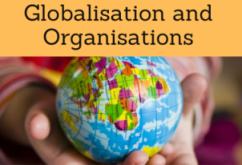
Religious diversity refers to the coexistence of different beliefs, practices, and spiritual traditions within a society. It includes majority religions (such as Christianity, Islam, Hinduism, Buddhism) and religious minorities, as well as non-religious perspectives such as atheism or agnosticism.

Religious diversity enriches societies by promoting a variety of ethical, philosophical, and cultural perspectives. However, it can also create challenges, such as conflicts arising from misunderstandings or lack of tolerance.
- Introduction to religious diversity and its relationship to international business
- Cultural influence of religion in global business
- Spiritual Globalization and spiritual business
2- Religious diversity and Global Marketing

- Faith-based Marketing
- Case Study: Chick-fil-A's Faith-Based Branding Strategy
- Case Study: PureHarvest Ramadan Campaign
- Case Study: “24/7 Prayer” – Digital Prayer and Meditation App
- Global brand positioning
- Faith-Sensitive Business Leadership
- Case Study: Chick-fil-A and Faith-Responsive Business Leadership by Dan Cathy
- Influence of religion on consumer behavior, demand, holy days, etc.
- Case Study: Problematic Campaigns in Muslim Markets
- Case Study: Barbie in Hijab
- Religious diversity and labor policies
- Case Study: Religious diversity and labor policies in a multinational company
- Religious diversity, clothing and gender norms
- Case Study: The Hijab in France
- Religious diversity and labor relations
- Case Study: Managing religious diversity at the multinational TechGlobal
- Religion and ethical frameworks
- Case Study: Gene editing in embryos to prevent disease
- Influence of religion on financial systems
- Case Study: Islamic Finance in Malaysia
- Islamic Banking
- Religion and International Trade Finance
- Case Study: Ayurvedic Product Trade and Ethical Financing in India
- Religion and international contracts
- Case Study: Financing Contract between a Saudi company and a European company
- UN Commission on International Trade Law (UNCITRAL)
- Religion and export prices
- Global Pricing Policy
- Case Study: The Halal Food Industry in Malaysia and Its Impact on Export Prices
- Religion and international product/service policies
- Standardization vs. adaptation: Glocalization strategies
- Case Study: Nestlé and Halal Certification in Muslim Markets
- Religion and global distribution
- Case Study: McDonald's in the Middle East
- Case Study: L'Oréal and Halal Cosmetics in Asia and the Middle East
- Religion and international promotion
- Religions and Corporate Social Responsibility
- Religious differences and ethical conflicts
- Case Study: Chick-fil-A and the Ethical Conflict Over Its Religious Values
- Religious risks for the global enterprise
- Case Study: Nestlé and the Management of Religious Sensitivities in the Halal Market
- Religious diversity and geopolitical tensions
- Case Study: The Hindu-Muslim Conflict in Kashmir
- Case Study: Religious Diversity and Geopolitical Tensions in Nigeria. Boko Haram
- Religions and regulatory obstacles
- Case Study: Restrictions on Religious Freedom in China
- Business strategies to successfully adapt to religious diversity
- Financial frameworks influenced by religion
3- World religions and the global business context

- Christianity
in the global business context
- Catholicism
- Protestantism
- Orthodoxy
- Case Study: TOMS Shoes as a Model of Christian-Inspired Social Entrepreneurship and Philanthropy
- Islam
in the global business context
- Case Study: Nike's Low-Key Active wear Line for Muslim Women
- Hinduism in the global business context
- Buddhism
in the global business context
- Buddhist Economics
- Case Study: Unilever's eco-friendly packaging in Thailand
- Confucianism and
Taoism
in the global business context
- Case Study: Companies that apply Confucian and Taoist principles
- Judaism, Sikhism, Zoroastrianism, Jainism
and traditional religions in the global business context
- Case Study: Tata Group's Focus on Community Welfare (Zoroastrianism)
- Cultural intelligence and Religious diversity
- Cross-Cultural Management
- Case Study: Religious Diversity in a Multinational Company (TechGlobal)
- Engaging religious leaders as a business strategy
- Case Study: Coca-Cola Partners with Christian and Muslim Clerics to Reach Rural Areas in Africa
- Religious influencers and business
- Case Study: The Fashion Influencer Huda Kattan
- African Traditional Religions
in the global business context
- Case Study: Gold Mining in Ghana and the Influence of African Traditional Religions
- Agnosticism
and atheism in the global business context
- Case Study: TechGlobal in the Middle East
4- Conclusions: Religious diversity, spirituality, ethics and business

- 1.Spirituality and religion in business ethics.
- Religious and spiritual influences on international business practices.
- Strategies for integrating spirituality and ethics in international business.
- Future trends in spiritual business


Religious contexts influence every aspect of global business, from consumer demand to labor policies and ethical frameworks. For example, Christianity drives holiday-based retailing, Islam drives Halal and Islamic financial markets, Hinduism shapes the vegetarian consumer landscape in India, Buddhism promotes sustainability, and Judaism influences niche markets. Companies that integrate religious sensitivities into their strategies (through local products, inclusive policies, and cultural training) gain competitive advantages, while mistakes can lead to financial and reputational losses.
Religion is a crucial factor through which global companies must navigate consumer markets, labor dynamics, and ethical practices. Companies that invest in cultural competency, adapt to religious norms, and seize the opportunities offered by faith can build stronger brands and avoid costly mistakes. However, ignoring or mismanaging religious sensitivities can cause financial and reputational damage.
To succeed in markets with spiritual and religious diversity, companies must adopt culturally sensitive and ethically aligned strategies: Cultural and Religious Intelligence: Companies like Procter & Gamble train their executives on religious nuances, reducing cultural missteps by 25% (HBR, 2023). Unilever’s diversity training includes spiritual principles, improving employee satisfaction by 15% (2024).
Spirituality and religion are integral to ethical and operational strategies in international business. From the configuration of consumer markets (Halal, Kosher, festival-driven spending) to the orientation of labor practices and CSR, these forces create both opportunities and risks. Companies that integrate religious and spiritual ethics—through localized offerings, cultural training, and purpose-driven branding—build trust and market share. However, mistakes can lead to costly boycotts or regulatory sanctions.


The module «Religious Diversity and Global Business» is included within the curriculum of the following academic programs at EENI Global Business School:
Masters: Religions & Business, Master: International Business

Doctorate: Ethics, Religions & Business, World Trade

Languages:  or
or  Diversidad religiosa y negocios
  Diversité religieuse et affaires mondiales
  Religions.
(c) EENI Global Business School (1995-2025)
Top of this page
